Tag

#kyoto

87 posts

Photos

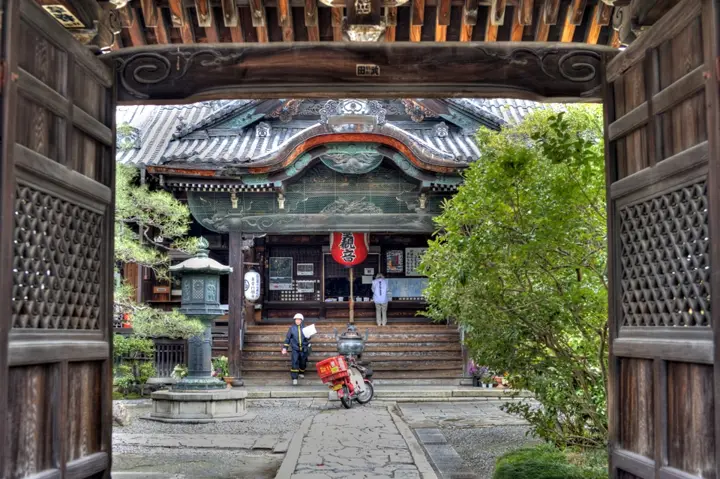
Ninnaji Temple

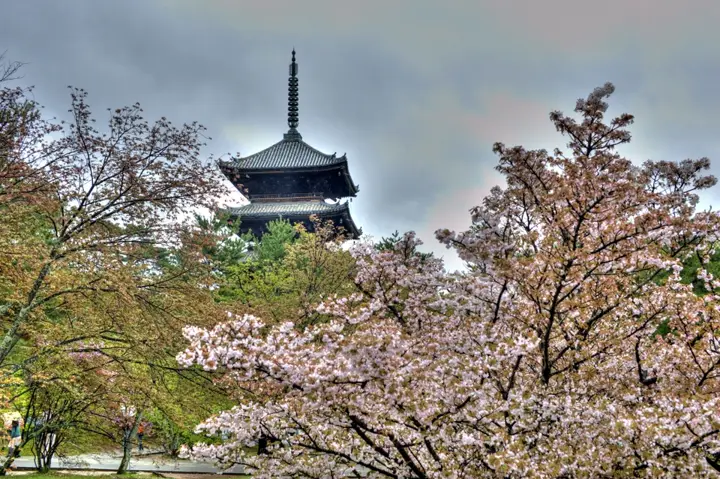
Ninnaji (仁和寺) is a temple in Kyoto listed as a World Heritage Site. It is the head temple of the Omuro School of the Shingon sect of Buddhism and was founded in 888. As well as its religious hitory and background it is also famous for its locally cultivated, late blooming sakura trees called Omuro Sakura. Mid April is normally a good time to see the cherry blossoms here.
Outdoors & Sport

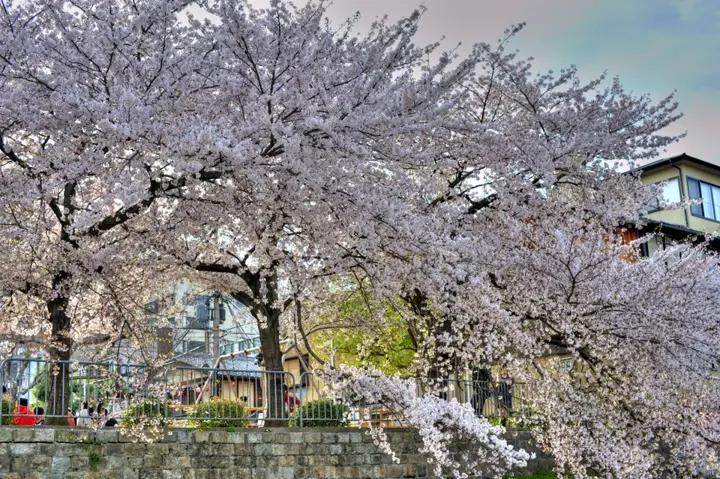
Kamogawa Sakura

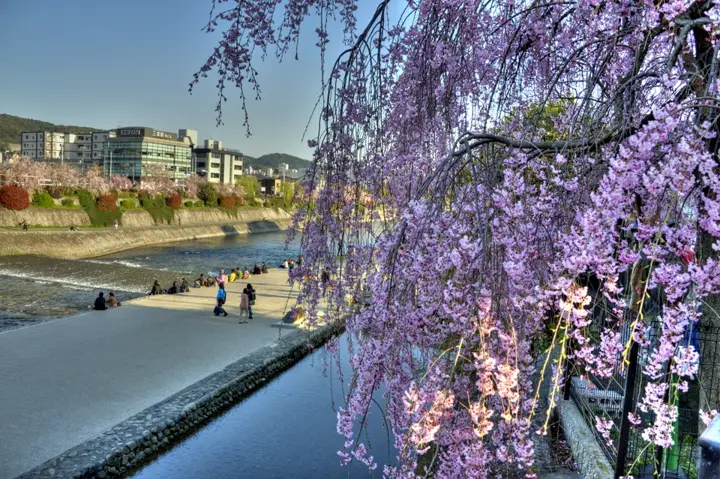
Another photo I took of the Kamogawa river area with Sakura here. This was a really nice afternoon walk with good weather and great atmosphere on the…

Outdoors & Sport

Sakura Weekend

As the Sakura season is finishing for another year, I took some shots on the weekend taking advantage of the good weather. Where did you enjoy the Sakura…

Photos

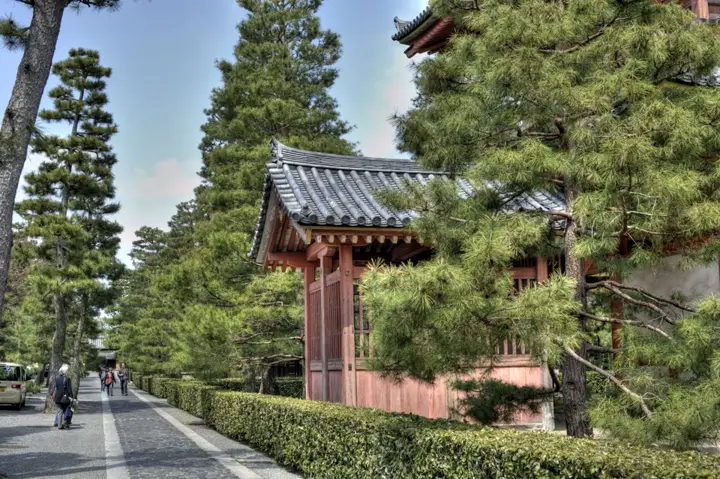
Daitokuji Temple

Daitokuji Temple is located in the North part of Kyoto City near Kinkakuji and was founded in 1315. It covers a large area and operates over 20 sub-temples within it. It is a working Temple and you can practice Zazen training on the weekends after 5pm if you make a booking. I was lucky enough to be able to participate in this on my visit.

Food & Drink

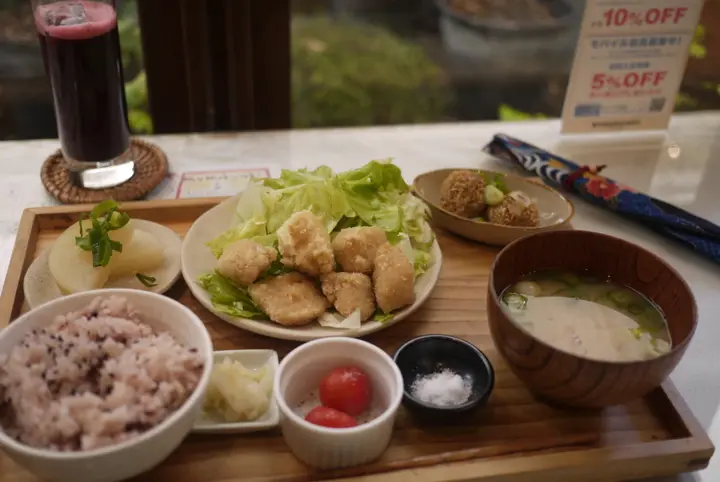
Kyoto Lunch, Zakkoku Rice

I have been in Kyoto and was enjoying some very nice food both at lunch and dinner time. One of my favorite restaurants here is called Mumokuteki. The…

Food & Drink

Sakuramochi, Wagashi

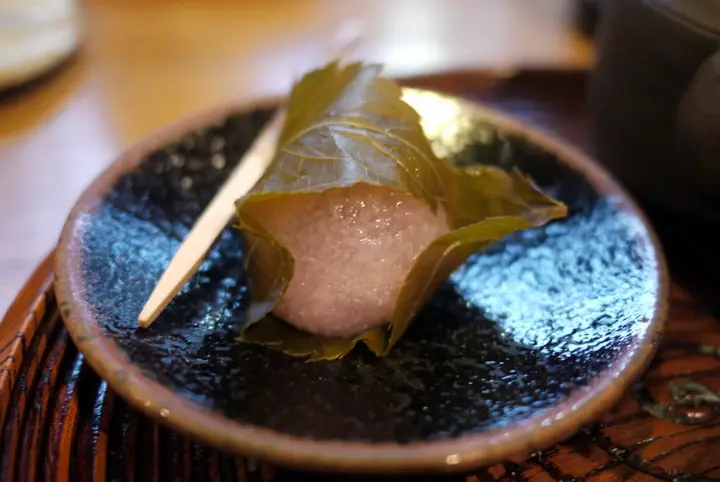
I had some tea and Sakuramochi while in Kyoto. Sakuramochi is a type of wagashi, Japanese sweets, made from red bean paste and wrapped in a sakura leaf.…

Photos

Ishiyama Temple

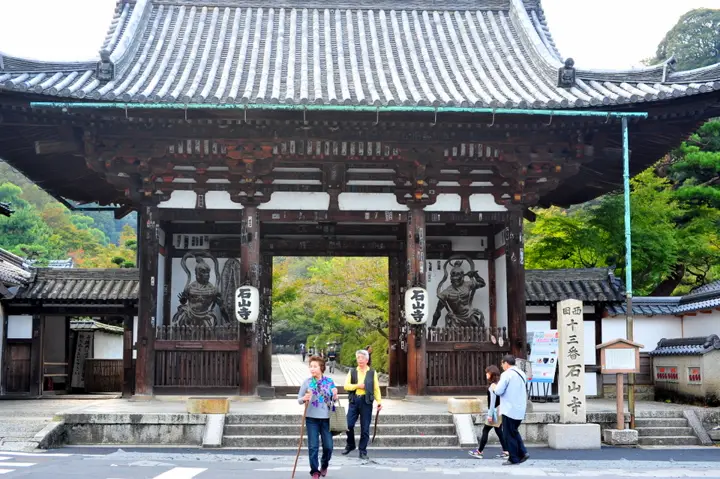
Ishiyama Temple (石山寺) in Shiga Prefecture, said to have been constructed around 762, is the place where Murasaki Shikibu began writing The Tale of Genji, a well known Japanese literature piece. The Temple can be reached easily from Kyoto Station traveling on the Keihan Railway. The large rock formations and well preserved temple structures make for a nice visit.

Outdoors & Sport

Kamogawa, Kyoto

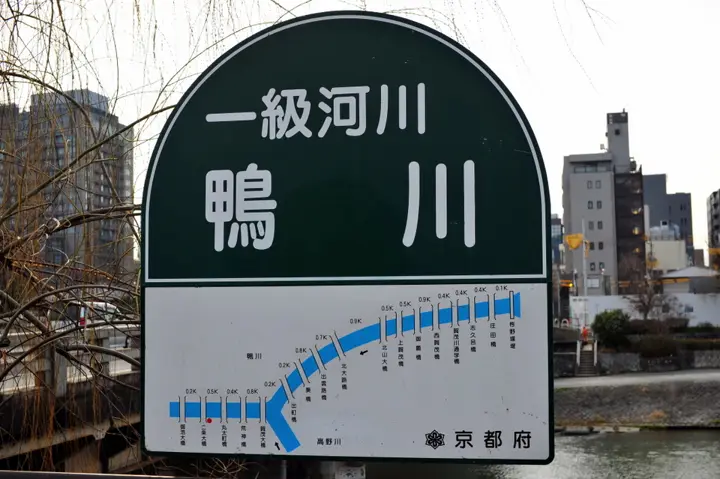
The Kamo river (kamogawa) runs through Kyoto, historically providing an important water supply, but also now allowing people to relax and enjoy nature whilst still being in the heart of the city. It is said the rivers course was diverted to its current location when the palace was constructed in the 8th century when Kyoto was the Heian Capital.

Culture

New iPad3? Get a Kimono iPad Case

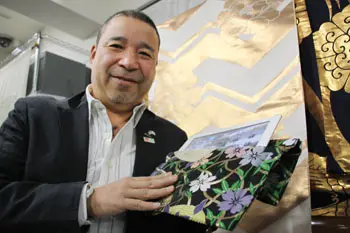
I visited Kyoto recently and dropped in on Kyokaori Company where they have been very creative and turned some kimono obi's into brilliantly colorful and…

Travel

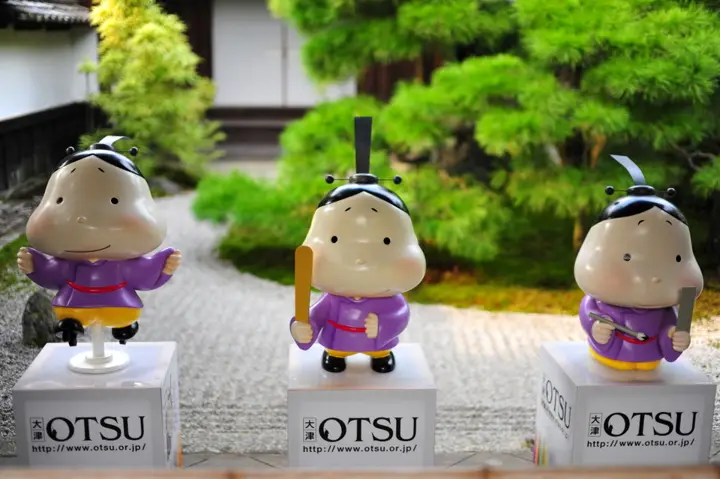
Otsu City, Shiga Prefecture

Last year at the end of summer I visited to Suzumushi Temple in Arashiyama, Kyoto and also to Ishiyama Temple which is nearby, but in Otsu City, Shiga…

Culture

Hoshi Matsuri

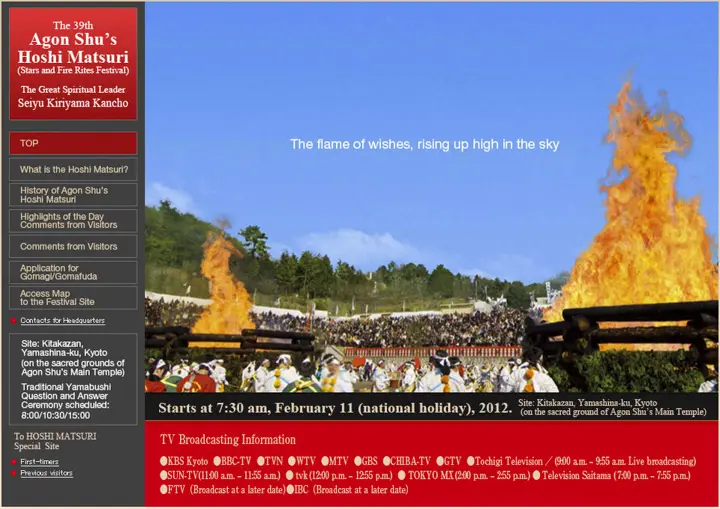
Today was the annual Hoshi Matsuri at the Agon Shu Temple in Kyoto. I was surprised to see it being broadcast on so many different television stations…

Photos

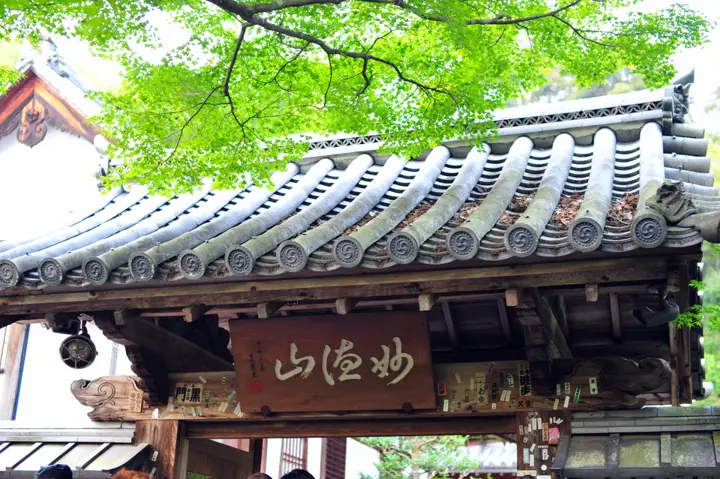
Suzumushi Temple

I visited Suzumushi Temple in Arashiyama, Kyoto in Summer and enjoyed the speech given by the monks there. It was not a large Temple and the grounds were not extensive, but many people were queued up to get inside and the monks prepared tea and sweets to enjoy as they explained the history and humor of the Temple.

Travel

Arashiyama, Kyoto

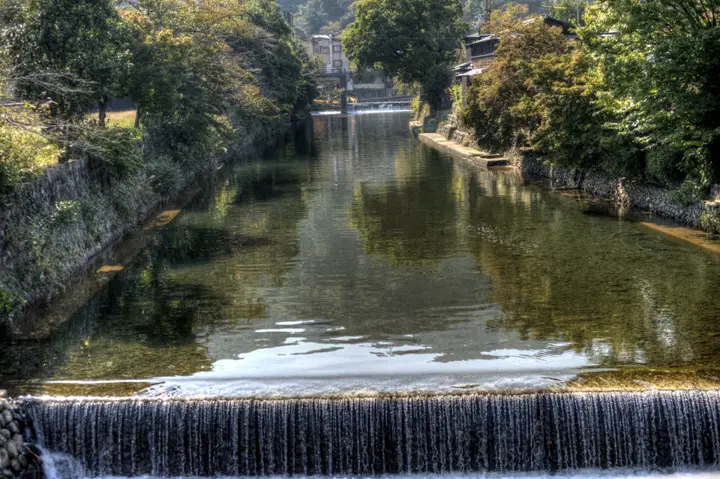
A beautiful sunny day in Arashiyama by the water. Arashiyama is a great place to take a day trip from central Kyoto and enjoy the mountains and Temples in…

Photos

Nijo Castle, Kyoto

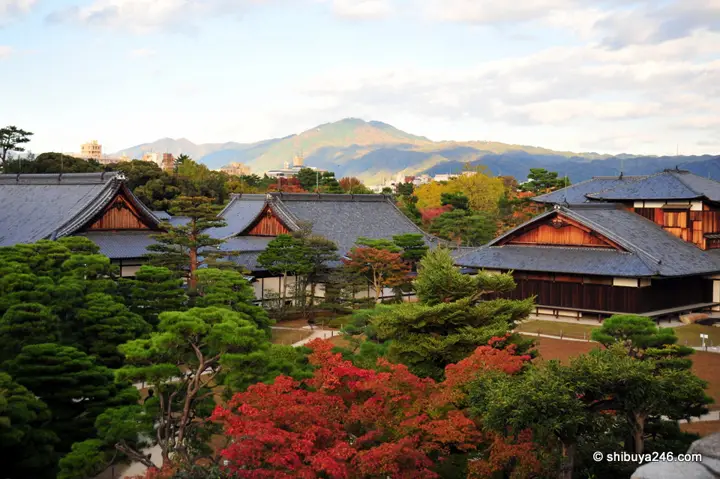
Nijo Castle (Nijojo) in Kyoto is a great place to visit in any season. The gardens are perfect for a peaceful walk, and the Ninomaru Palace in the grounds is well worth seeing and hearing the guides explanation of historical life at this site. The Castle was built in 1603 and is now a World Heritage site.

Photos

Kodaiji Temple

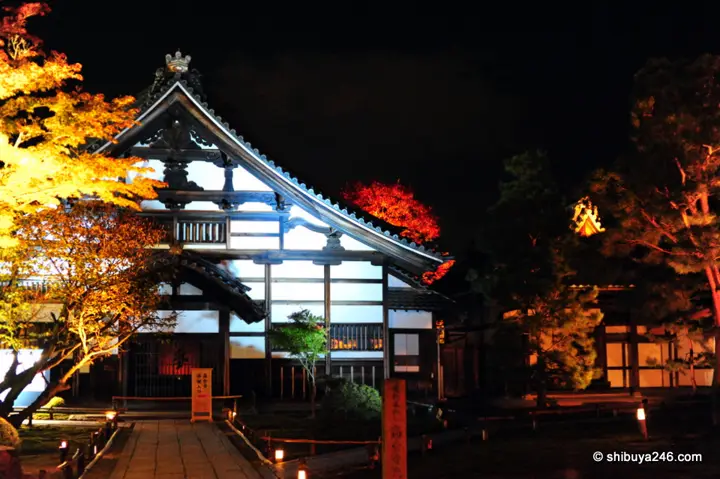
Kodaiji Temple (高台寺) established in Kyoto in 1606 is a beautiful Temple located near Yasaka Hokanji Temple. I visited Kodaiji in the evening when it was lit up and enjoyed seeing the gardens in a different way to normal.

Trains & Transport

Kyoto Station

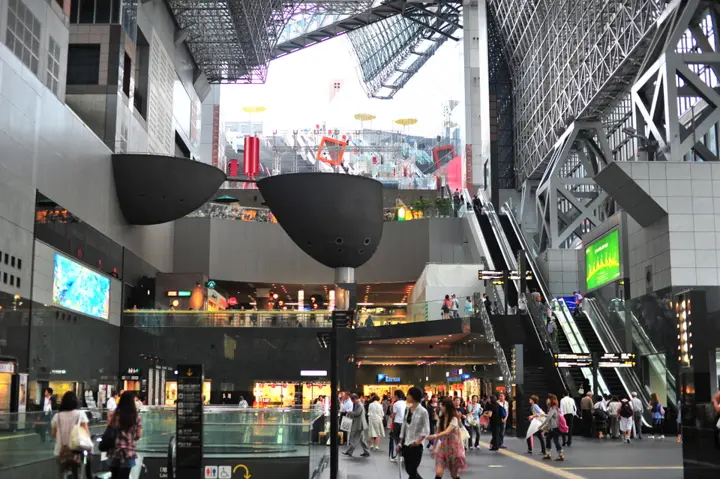
With such a great train culture, there are also some interesting stations to visit in Japan. Tokyo Station still has some of the red brick buildings left…